


All-in on Postgres for Over a Decade
pganalyze began in 2012 when Lukas Fittl set out to build the best Postgres monitoring tool for production workloads. Today it is the trusted provider of deep Postgres observability and performance tuning for top companies around the world, including some of the Fortune 500.







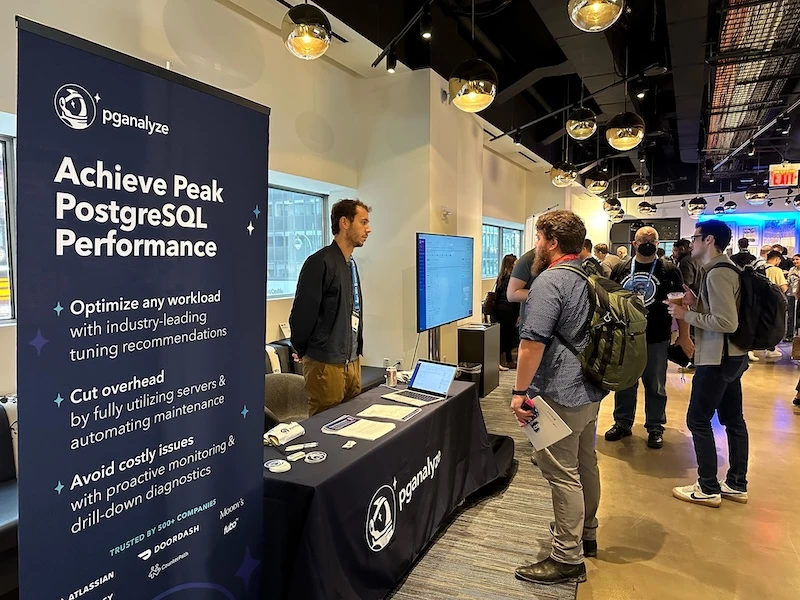
From Flagging Issues to Providing Solutions
Rooted in our team’s shared passion to optimize database performance based on years of scaling systems for Citus Data, Microsoft & Heroku, the company has grown while maintaining its independence. Today, we are focused on providing the best tooling to fix slow queries, missing indexes, and more, using deterministic, rule-based logic via pganalyze Advisors.
Built with and for the Postgres Community
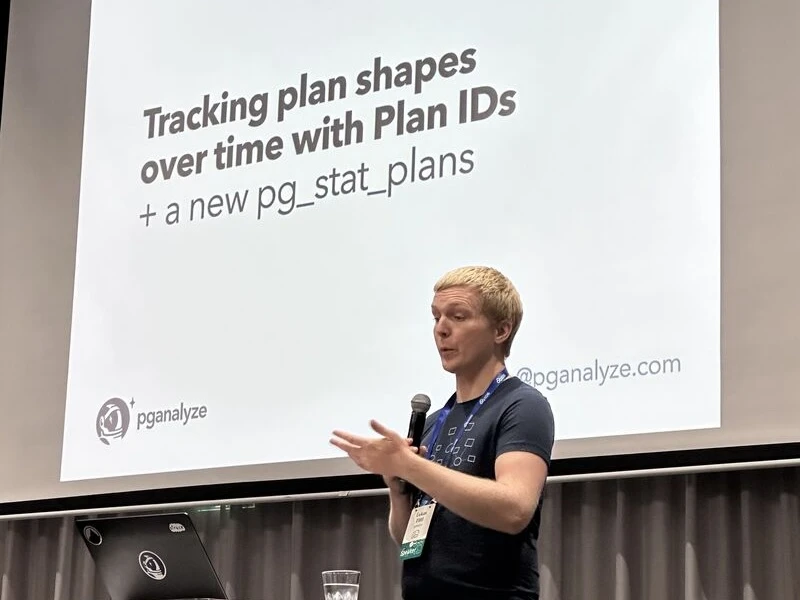
Postgres continues to be the backbone of the world’s data infrastructure, and we’re proud to be a part of the community that is driving its evolution. In addition to being active Postgres contributors, we also share practical insights through conference talks, our YouTube channel & other resources. We also maintain the libpg_query open source project, a Postgres SQL parsing library used by many other projects.

Thoughtful Growth, Not Growth at All Costs
pganalyze is a sustainable, remote-first company. That means async-first communication, real vacation time, and a culture built on trust. We think long-term, plan 6-week cycles, and prioritize deep technical work over shiny distractions. We’re proud to build software that reflects the same values we bring to our team: precision, respect, and focus.
Get in touch
- Check our careers page for open roles.
- Sign up for our newsletter to stay in touch.
- Take the interactive product tour.
- Contact us with any questions.